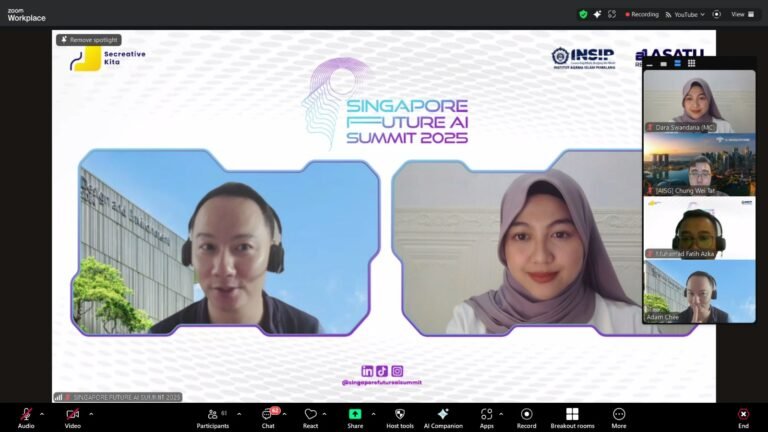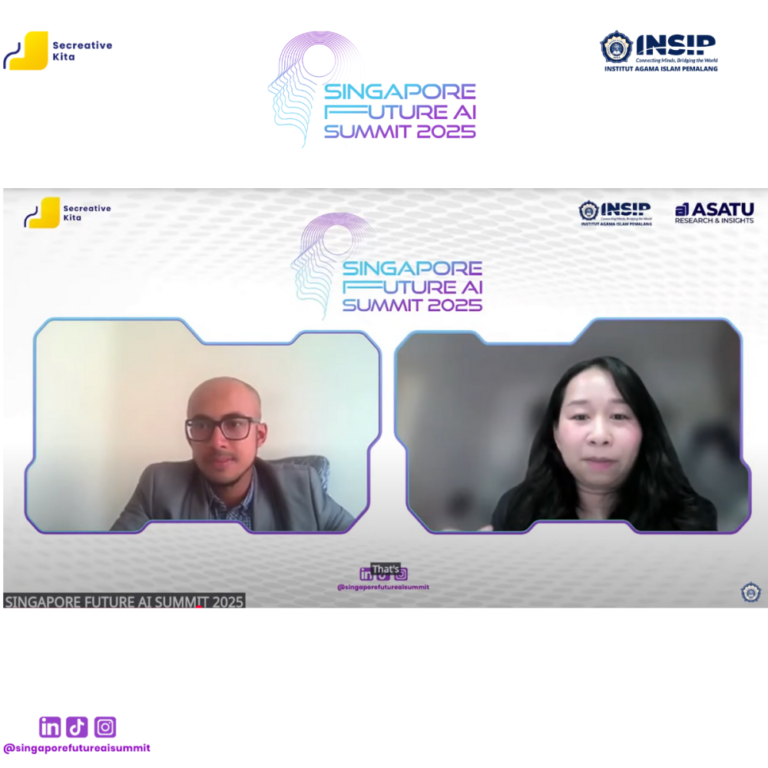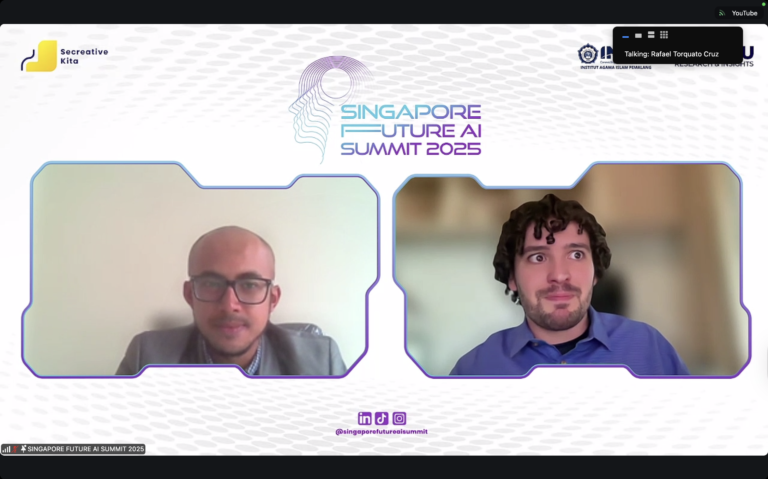
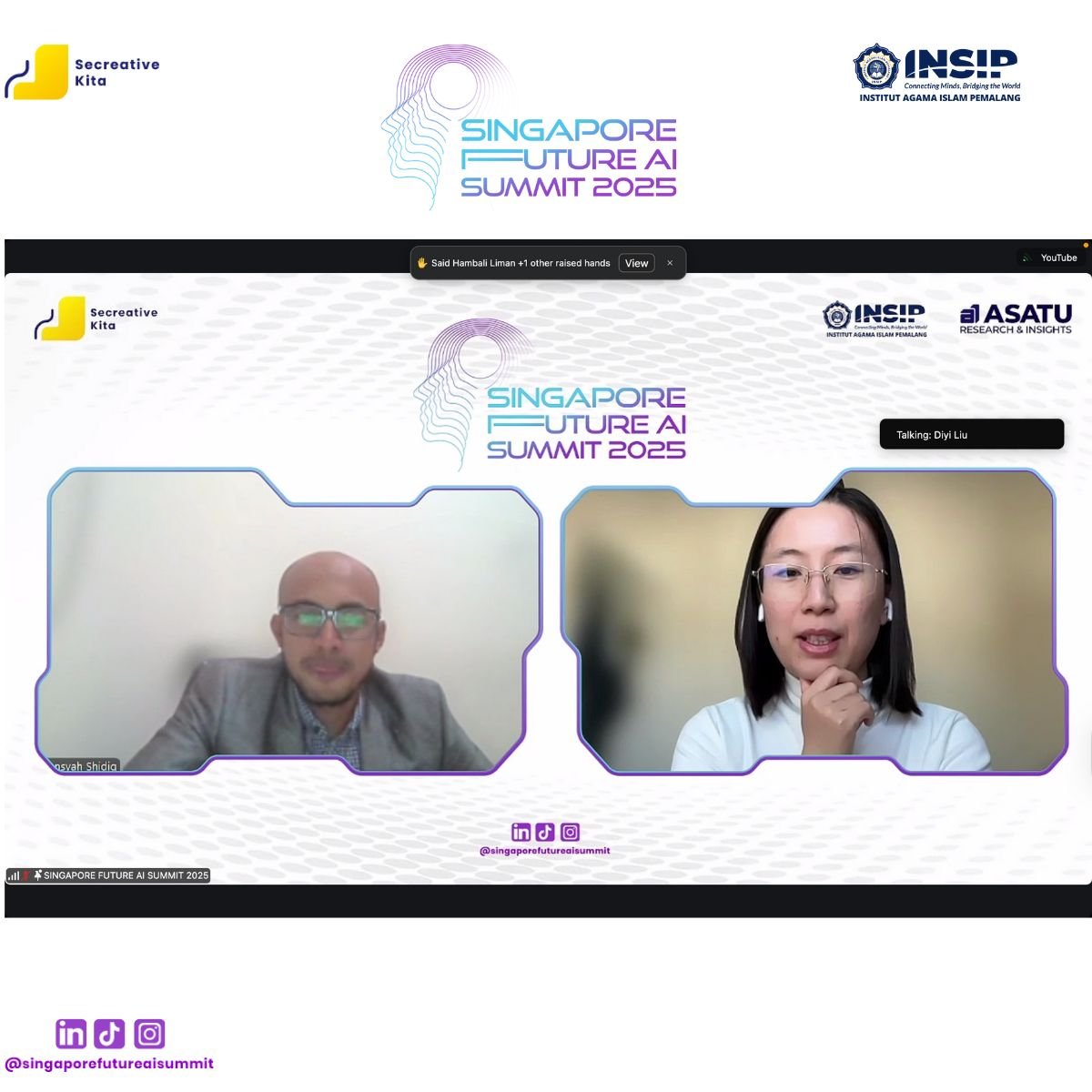
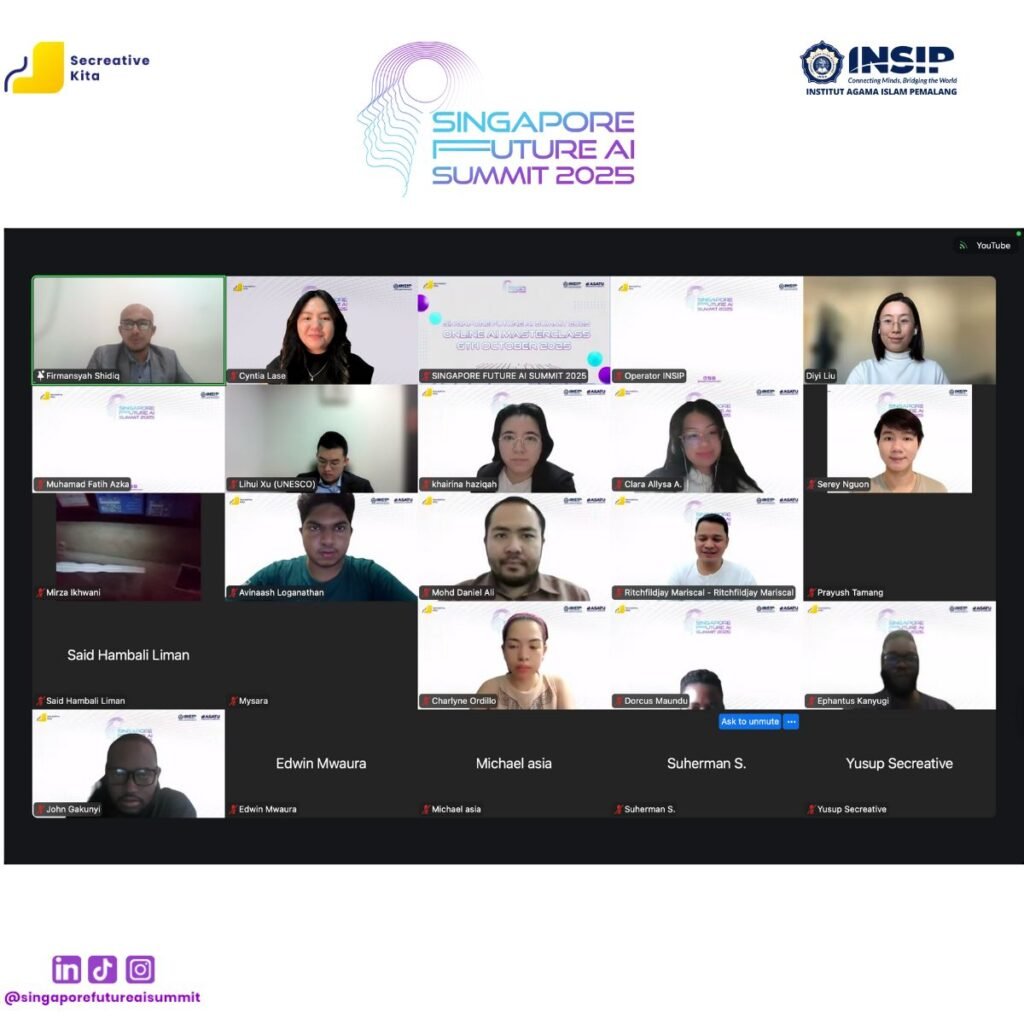
The Singapore Future AI Summit 2025 continued with an engaging second session with great energy, bringing together 131 delegates from 21 countries for an insightful exploration of the intersection between technology, governance, and diplomacy.
We extend our sincere appreciation to Dr Diyi Liu for leading an exceptionally insightful session on Ethical AI in Content Moderation and Platformized Speech Governance at the Singapore Future AI Summit 2025 on Monday, October 6th.
Dr Diyi Liu, a Postdoctoral Researcher at the University of Copenhagen with a doctorate from the Oxford Internet Institute, brings critical expertise on the governance of online speech and algorithmic content moderation.
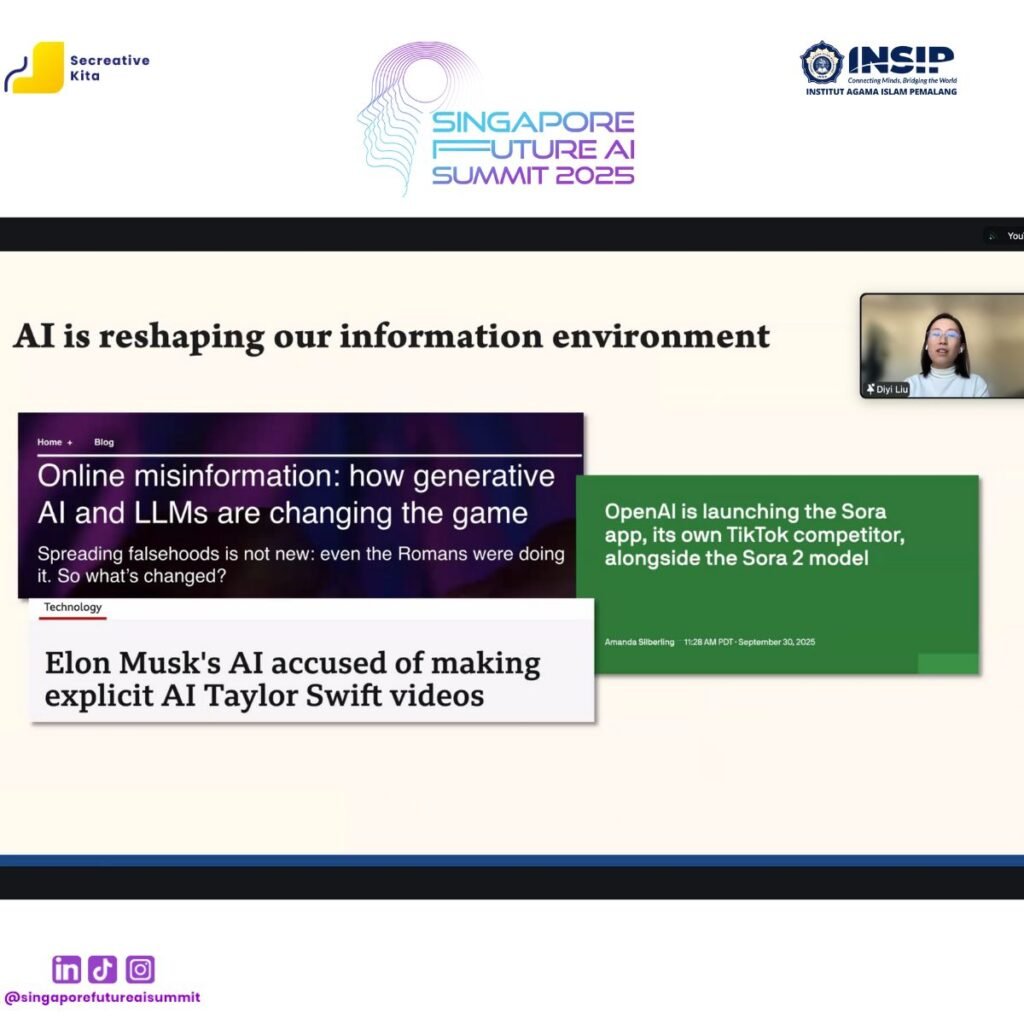
Stop the Bias: Current AI moderation fails because it’s culturally biased toward Western contexts
Dr. Diyi Liu highlighted many crucial areas where online governance must evolve, two of them are:
Stop the Bias: Current AI moderation fails because it’s culturally biased toward Western contexts, especially when dealing with ambiguous “borderline content” in regions like South and Southeast Asia.
Center Majority World Expertise: We must fundamentally restructure governance hierarchies to formally center and value Majority World expertise, treating cultural competency as a specialized professional skill, not just low-wage labor.
A powerful call to move toward a more equitable and contextually responsive global digital public sphere.
The Implementation Work of the UNESCO Recommendation on the Ethics of AI and the RAM Exercise
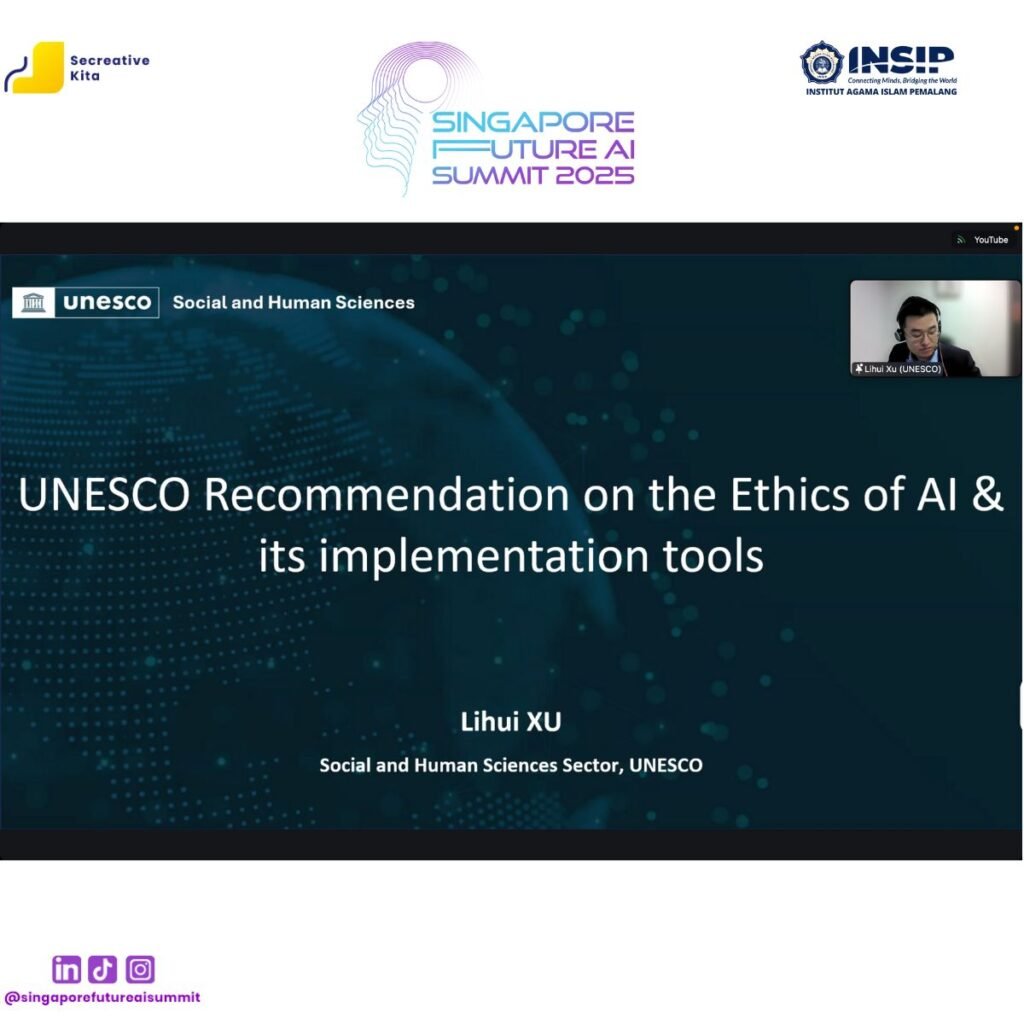
We appreciate the opportunity to feature Mr Lihui X., Programme Specialist at the UNESCO Headquarters in Paris, Ethics of AI Unit, who delivered an outstanding Masterclass 3 at the Singapore Future AI Summit 2025 on Monday, October 6th.
Mr. Lihui Xu plays a central role in advancing the UNESCO Recommendation on the Ethics of AI, a foundational global normative instrument designed to help nations evaluate and strengthen their AI readiness and implement ethical frameworks.
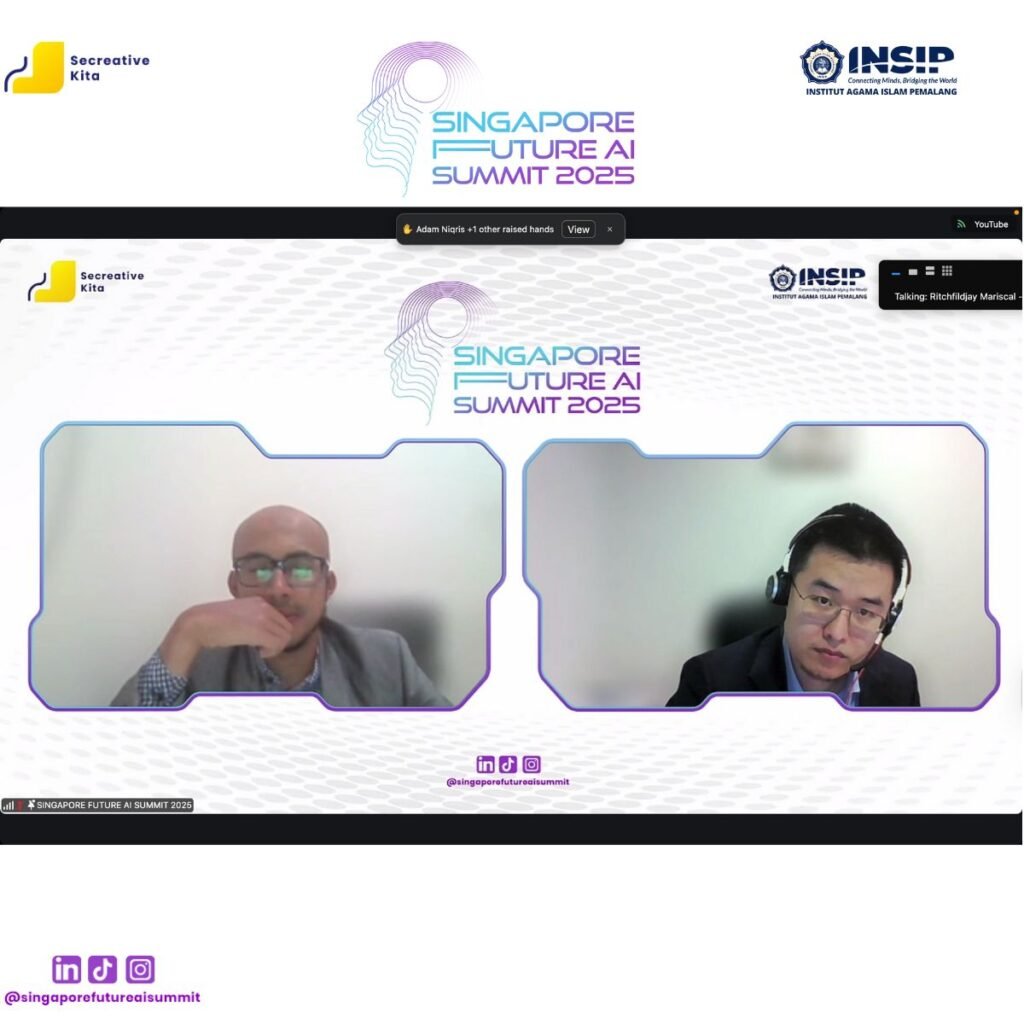
His highly engaging session, “The Implementation Work of the UNESCO Recommendation on the Ethics of AI and the RAM Exercise,” offered critical insights into the global AI governance landscape:
Global Investment Disparities: The session highlighted the explosive growth of private investment in generative AI, drawing attention to significant geographical disparities and the underrepresentation of the Global South.
AI in Governance, Mr. Lihui Xu presented examples of AI adoption in the public sector, including the UK tax authority utilizing AI for policy development and Albania’s innovative appointment of an AI minister to combat corruption.
The UNESCO Framework: He detailed how the UNESCO Recommendation on the Ethics of AI provides a vital normative framework to guide the implementation of ethical and regulatory standards amidst a complex web of international and regional governance efforts.
The Readiness Assessment Methodology (RAM) Exercise
National Readiness Assessment: A key focus was the Readiness Assessment Methodology (RAM) Exercise, a crucial tool for policymakers to evaluate national preparedness for responsible AI adoption across legal, social, and economic dimensions, enabling the design of targeted, informed strategies.
Ethical and Contextual Challenges: Discussions covered the complexities of reconciling AI use with data protection laws, aligning global ethics with diverse national values, and prioritizing conflicting ethical principles, underscoring the necessity of local context and community involvement.
Mr. Lihui Xu’s presentation powerfully underscored that responsible AI adoption requires comprehensive frameworks, proactive ethical foresight, and collaborative governance to ensure equitable benefits and culturally informed decision-making worldwide.
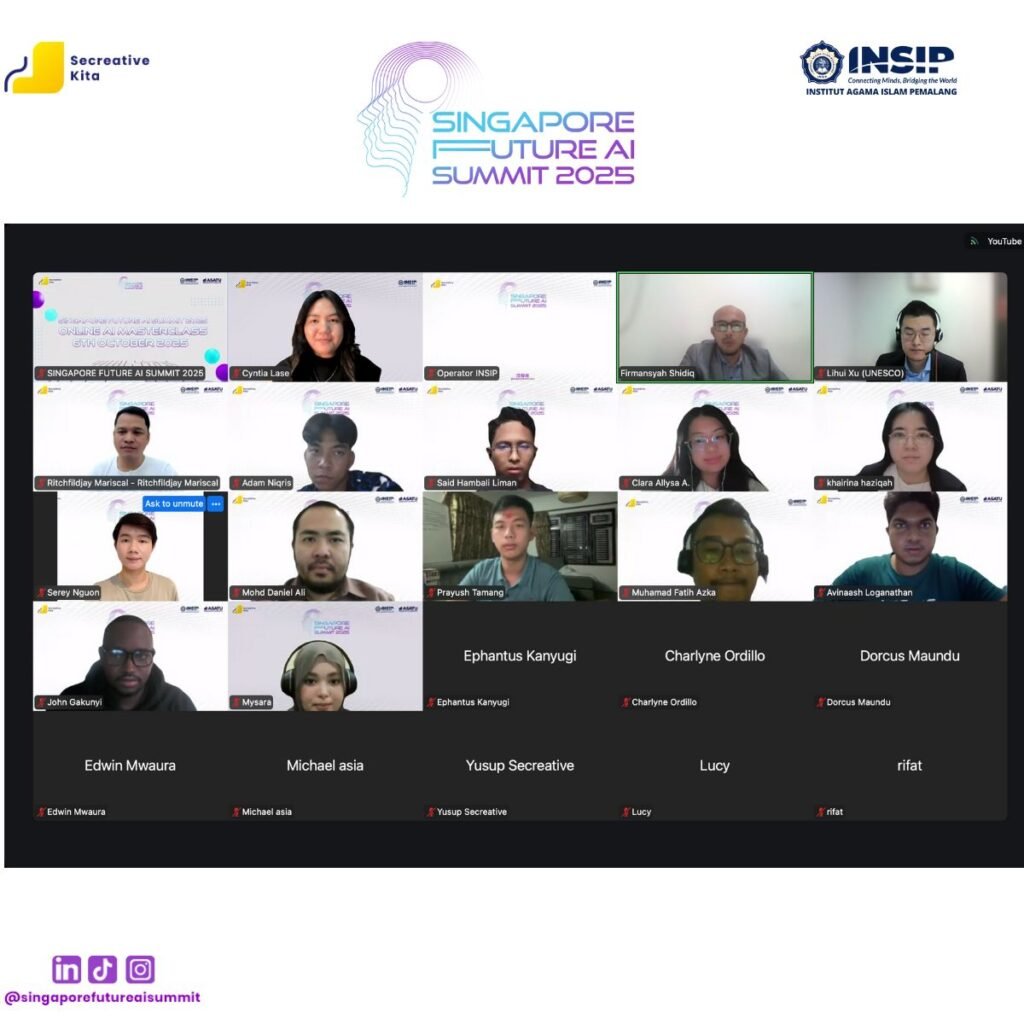
The Singapore Future AI Summit 2025, presented by INSIP Indonesia and organized by SecreativeKita is more than just an event, it’s a platform where knowledge, collaboration, and innovation converge to shape the future of Artificial Intelligence
If you missed the first Singapore Future AI Summit? Sign up our newsletter!
www.sfais.org
hashtag#SFAIS2025 hashtag#FutureAISummit hashtag#UNESCO hashtag#AIEthics hashtag#AIGovernance hashtag#LihuiXu hashtag#ResponsibleAI hashtag#TechPolicy